The Top Seven Websites to Search for Family History
Researching family history has never been easier than it is today. What once required travelling to distant archives or spending hours scrolling through microfilm can now often be done from the comfort of home.
Millions of historical records – birth certificates, immigration documents, census records, military files, and even old newspapers – have been digitised and made searchable online.
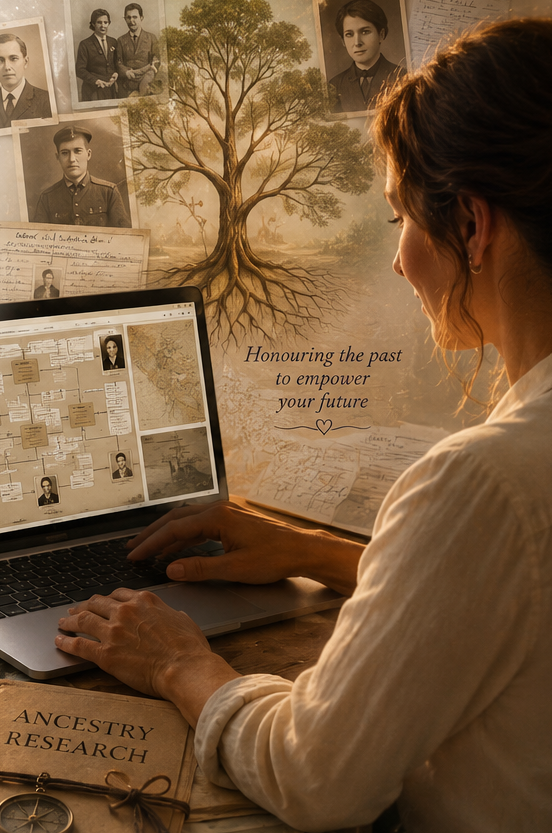
For anyone beginning their genealogy journey, the number of websites available can feel overwhelming. Some specialise in massive global databases, while others focus on collaboration or historical newspapers.
Below are seven of the most valuable websites for exploring your family history, each offering unique tools to help you uncover the stories of your ancestors.
1. Ancestry
Ancestry is one of the largest and most well-known genealogy platforms in the world. With billions of historical records from dozens of countries, it is often the first place researchers start.
The platform allows users to build detailed family trees and attach documents, photographs, and stories to each ancestor. Its powerful search engine makes it easier to locate records such as census data, birth and death registrations, immigration documents, and military records.
One of Ancestry’s most helpful features is its automated hints system. As you build your family tree, the site searches its database and suggests possible record matches for your ancestors. This can quickly lead you to new discoveries you might not have found on your own.
Ancestry also offers DNA testing, which can help connect you with living relatives and identify ancestral regions.
Best for:
- Large global record collections
- Building detailed online family trees
- DNA genealogy connections
2. FamilySearch
FamilySearch is an extraordinary resource because it is completely free. Operated by the FamilySearch International, it provides access to billions of digitised records from around the world.
Unlike some genealogy sites that charge subscription fees, FamilySearch offers open access to many vital records, census collections, church records, and historical documents. It also hosts a collaborative global family tree where users can work together to expand shared ancestral lines.
Another powerful feature is its vast digital library of microfilmed records, many of which were previously only accessible by visiting archives in person.
For beginners or those researching on a budget, FamilySearch is an invaluable starting point.
Best for:
- Free access to huge historical databases
- Collaborative genealogy
- Church and civil records from many countries
3. MyHeritage
MyHeritage is particularly popular with international researchers and families with European ancestry. The platform hosts billions of historical records and offers a range of innovative digital tools.
One of its standout features is its photo technology, which can restore, colourise, and even animate old family photographs. Seeing an ancestor’s black-and-white portrait brought to life in colour can create a powerful emotional connection to the past.
MyHeritage also provides DNA testing and automated record matching, helping users discover relatives and historical documents linked to their family tree.
The site supports multiple languages, making it easier for users worldwide to explore their heritage.
Best for:
- European ancestry research
- Advanced photo restoration tools
- DNA genealogy and international records
4. Findmypast
Findmypast is particularly valuable for those researching ancestry in the United Kingdom and Ireland. The platform hosts extensive collections of British census records, parish registers, military records, and migration documents.
One of its most distinctive features is access to millions of British and Irish parish records, which often contain baptisms, marriages, and burials recorded long before civil registration systems began.
Findmypast also offers an impressive archive of historical newspapers, allowing researchers to search for articles, announcements, and local stories that may mention their ancestors.
For anyone tracing roots in England, Scotland, Ireland, or Wales, this website can be an essential research tool.
Best for:
- UK and Irish genealogy
- Parish registers and early church records
- Historical newspaper archives
5. Geni
Geni takes a collaborative approach to genealogy by working toward a single shared global family tree. Instead of each person building separate trees, users contribute to one interconnected network of ancestors.
This approach can reveal connections between distant relatives and historical figures. In some cases, individuals discover that their family line links to well-known historical personalities or royal lineages.
The platform allows researchers to collaborate, merge duplicate profiles, and expand family branches together.
While collaboration requires careful verification of sources, the shared tree concept can lead to fascinating discoveries.
Best for:
- Collaborative genealogy
- Connecting family lines across continents
- Discovering distant relatives
6. Newspapers.com
Sometimes the most vivid details of our ancestors’ lives are found not in official records but in newspapers. Newspapers.com provides access to millions of digitised newspaper pages spanning centuries.
These papers contain obituaries, marriage announcements, court reports, local stories, and community events. You might find references to an ancestor’s business, sporting achievements, or even dramatic incidents that never appeared in formal records.
For New Zealand newspapers - check out Papers Past to see what you can find.
Reading the newspapers of your ancestors’ era can bring their world to life in remarkable ways.
Best for:
- Obituaries and life stories
- Local history and community events
- Context for ancestors’ daily lives
7. National Archives (Various Countries)
Many countries maintain official archives containing government records that can be invaluable for genealogical research. National archives often hold military service files, immigration records, land records, wills, and court documents.
For example, the Archives New Zealand preserves a wide range of records relating to New Zealand’s history, including immigration files and military service documents. Similar institutions exist in many countries and increasingly provide digital access to their collections.
Exploring national archives can reveal rich details about how your ancestors lived, worked, travelled, and interacted with government systems.
Best for:
- Military records
- immigration and naturalisation files
- Government documents and historical context
Researching your family history is an incredibly rewarding journey, but it can also be time-consuming, confusing, and full of unexpected roadblocks. Hours can be spent searching records, deciphering old handwriting, following incorrect family lines, or trying to locate elusive ancestors.
At Twin Streams Healing, we combine years of experience in genealogy and DNA research with a genuine passion for uncovering family stories. Whether you're just beginning your journey or have reached a frustrating dead end, we can take the hard work off your hands – saving you countless hours of research while uncovering the records, connections, and stories that bring your family history to life.
From tracing your ancestry and interpreting DNA matches to documenting your family tree with care and accuracy, we're here to help you reconnect with the people whose lives shaped your own.
To find out more – contact us for a FREE 15 minute mini-consultation.
Next week's Blog we will look at Wisdom From Our Ancestors: Connecting Through the Ancient Stones Oracle Deck.
If there is something in this Blog that you would like to know more about, feel free to use the comment section below to suggest future Blog content.
Add comment
Comments