The Importance of Recording Family History and Stories for Future Generations
In an age where everything seems momentary – text messages vanish, social media feeds scroll by in an endless loop, and memories can feel fleeting – it is more important than ever to intentionally record family history and stories. These stories are more than mere anecdotes; they are threads that connect generations, shaping identity, grounding us in a shared past, and offering wisdom and guidance for the future. When we take the time to preserve the lives, struggles, triumphs, and quirks of those who came before us, we gift future generations a treasure far more valuable than gold: a sense of belonging, resilience, and continuity.
Preserving Identity and Belonging
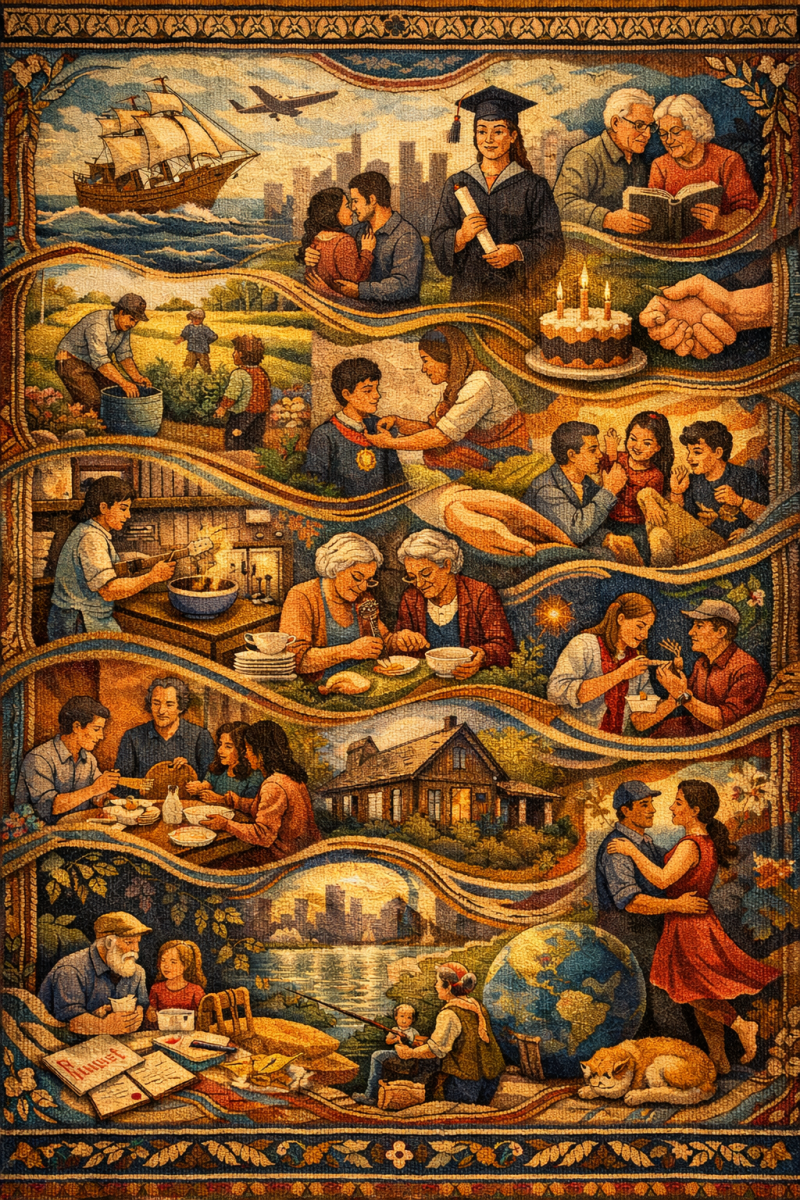
Every family is a tapestry woven from countless stories, small and large. These stories – about migration, achievements, daily routines, acts of kindness, or moments of humor – form the narrative fabric that defines who we are. When children and grandchildren hear about the lives of their ancestors, they begin to understand themselves in a larger context. They are not just individuals navigating the world; they are the continuation of a lineage with values, experiences, and lessons. This awareness fosters a sense of belonging, which is crucial for emotional wellbeing. It reassures young people that they are part of something enduring, giving them roots to grow from and wings to explore.
Learning Through Stories
Family history is not just about facts and dates; it is also about the lessons embedded within those stories. When we record the challenges our ancestors faced – economic hardship, migration, societal changes, or personal loss – we also capture their resilience, ingenuity, and courage. Children who know these stories can draw inspiration from them. They learn that obstacles can be overcome and that perseverance, creativity, and love are qualities that endure across generations. In this way, recorded stories serve as both a mirror and a guide, reflecting the past while providing insight for navigating the future.
Strengthening Family Connections
Documenting family stories has a remarkable ability to strengthen bonds. Sharing memories encourages dialogue between generations, creating moments of intimacy and understanding. A grandmother recounting her wedding day, a grandfather describing his first job, or a parent recalling childhood adventures bridges generational gaps. These stories allow family members to connect not just through shared DNA, but through shared experience and emotion. Even in families separated by geography or time, recorded histories – whether written, audio, or video – can create a bridge that preserves relationships and fosters empathy.
Protecting Culture and Tradition
Family stories are vessels for culture, language, and tradition. Recipes passed down through generations, rituals for celebrations, and expressions unique to a particular family or community are all part of this heritage. When these elements are recorded, they are preserved for future generations to practice, adapt, and celebrate. Without intentional documentation, much of this cultural richness risks being lost. Recording these traditions ensures that they continue to live, allowing future generations to honor their heritage while adding their own chapters to the story.
Recording the Everyday and the Extraordinary
While it is tempting to focus only on major events – weddings, graduations, or migrations – the small moments often hold the deepest significance. Everyday stories of kindness, curiosity, humor, and struggle reveal the humanity behind the historical facts. A child’s mischief, a neighbor’s generosity, or a family’s Sunday ritual may seem trivial in the moment, but when recorded, these memories become treasures. They convey the texture of daily life, giving future generations a vivid picture of the lives their ancestors led. Balancing the extraordinary with the everyday creates a full, authentic portrait of a family’s history.
Methods for Recording Family Stories
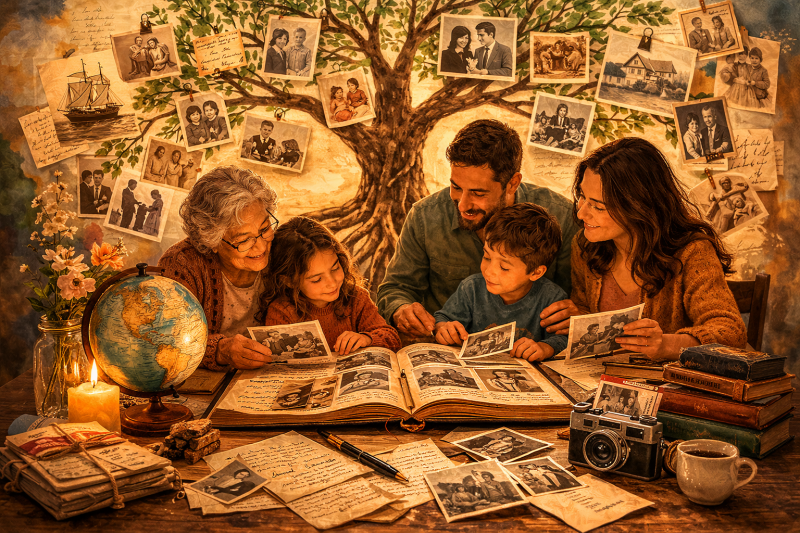
There are many ways to preserve family history and stories, and it need not be complicated. Traditional methods include writing memoirs, maintaining journals, and compiling scrapbooks with photographs and letters. Modern technology offers new possibilities: audio recordings, video interviews, and digital storytelling platforms make it easier than ever to capture voices and faces for posterity. Oral histories, in particular, allow the personality, tone, and emotion of the storyteller to be preserved, giving depth and life to the stories. Even simple steps, like recording family recipes with notes about their significance or documenting the history of a family home, add layers to the narrative.

The Gift to Future Generations
It is a conscious effort to hand down identity, wisdom, and connection. Future generations, who may never have met the storytellers, will be able to access the voices of their ancestors, drawing guidance, comfort, and inspiration. A child growing up with these stories can learn empathy, resilience, and the richness of human experience. A young adult navigating life’s challenges can gain perspective from ancestors who faced similar struggles, reminding them that they belong to something enduring.
Family history becomes meaningful when it is passed on to future generations. Consider creating:
- A printed family tree chart
- A written family history book
- Digital photo archives
- Recorded family interviews
- A shared online family tree
By preserving these stories, you ensure that the lives of your ancestors continue to be remembered.
Making It a Living Tradition
Recording family history should not be a one-time project – it can become a living tradition. Encourage each generation to contribute their own stories and reflections.
Celebrate the practice of storytelling at holidays or family reunions, and preserve these accounts for future generations. By making the act of recording family history ongoing, families create a dynamic archive that evolves alongside them, remaining relevant and resonant.
Overcoming Challenges
Recording family history can feel daunting. Memories fade, documents are lost, and some stories may be difficult to uncover. However, even partial histories are valuable. Start small – ask a single question at a family gathering, record an anecdote, or photograph a family heirloom. Over time, these fragments accumulate into a rich mosaic of memories. It is also important to approach this work with curiosity, respect, and sensitivity. Not every story is simple or easy to tell, but each deserves to be acknowledged and preserved with care.
Honoring the Energetic Legacy with Twin Streams Healing
At Twin Streams Healing, we understand that family stories are not just memories – they are energetic imprints that shape who we are. Through our services, including flower essence therapy, Akashic energy readings, and ancestral field work, we support you in uncovering, honoring, and healing these family currents. Whether you wish to connect more deeply with your lineage, release inherited patterns, or bring clarity and resilience to your present life, our offerings provide a gentle, guided path. By combining these healing modalities with the practice of recording and reflecting on your family history, you can create a living legacy that nurtures both heart and soul for generations to come.
To find out more – contact us for a FREE 15 minute mini-consultation.
Next week's Blog we will look at The Power of the Number Seven.
If there is something in this Blog that you would like to know more about, feel free to use the comment section below to suggest future Blog content.
Add comment
Comments